Grow Your Newsletter With Pinterest: The Subscriber Machine
A newsletter is the audience you actually own. And Pinterest is one of the best subscriber machines out there — if you build the right doorway. Here’s how to turn Pins into loyal readers.
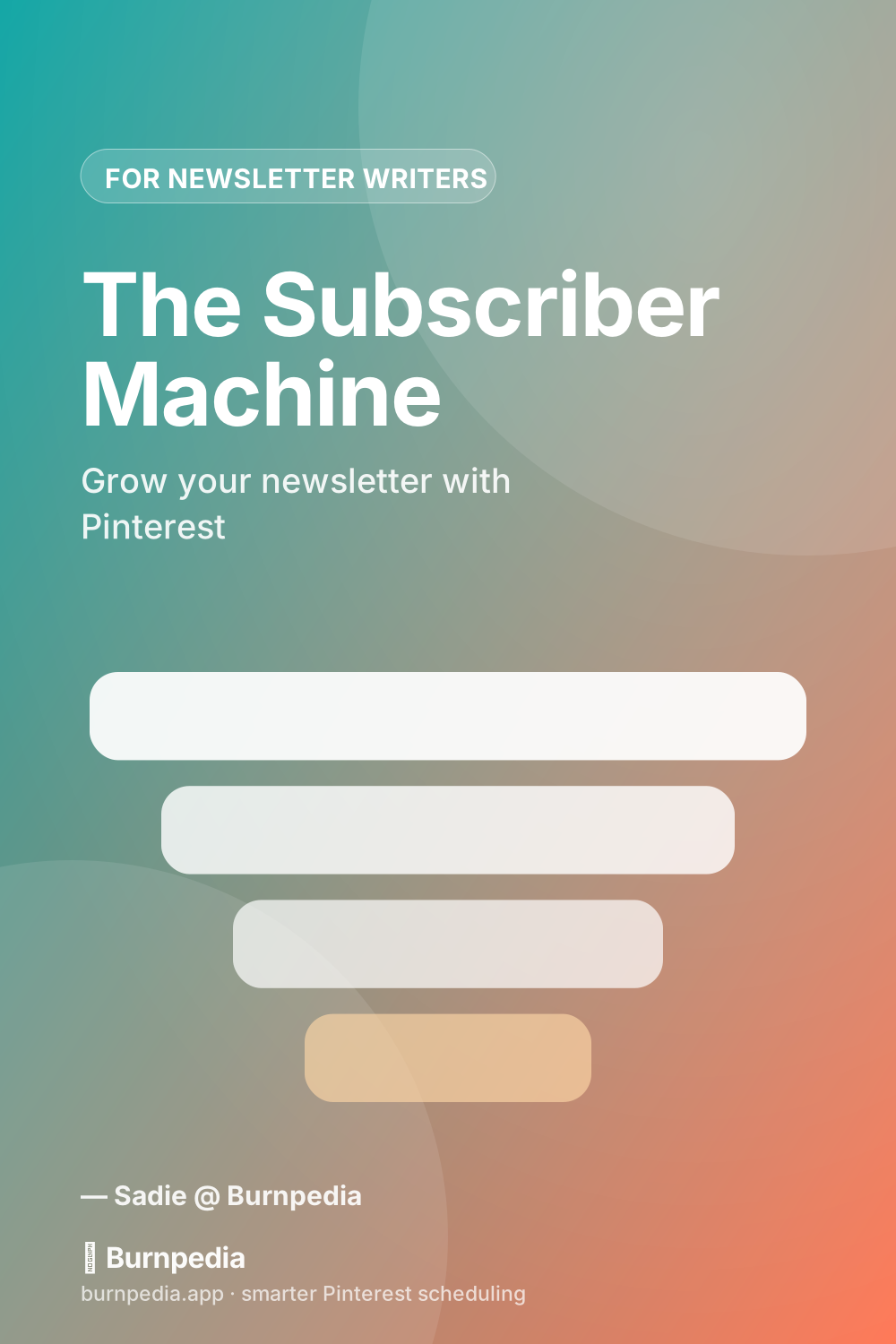
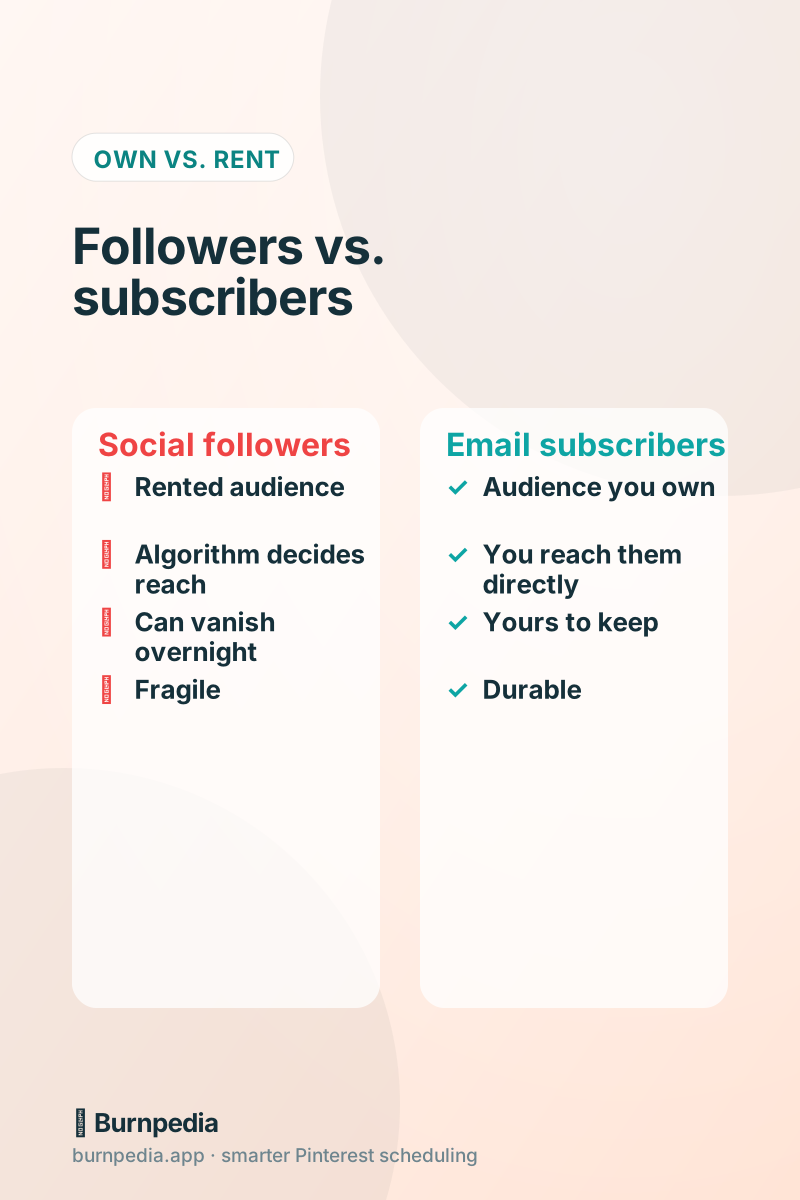
If there’s one thing I’d tell every creator to build, it’s an email newsletter. Not because email is trendy — it’s the opposite of trendy — but because it’s the one audience you actually own. Your social followers are rented; an algorithm decides whether they ever see you, and a platform could change the rules or vanish tomorrow. But your email subscribers? Those are yours. You can reach them directly, in their inbox, any time you want, with no gatekeeper in between. And here’s the happy news: Pinterest is one of the best subscriber machines there is for filling that list with the right people.
Why Pinterest specifically? Because Pinterest users are searchers and planners — they’re actively looking for helpful content, which is exactly what a good newsletter promises. They’re in a “save this, I want more of this” mindset. Your job is to meet them with a Pin, deliver a taste of your value, and open a door to “get this in your inbox every week.” Let’s build that door.
The heart of it: a lead magnet worth the email
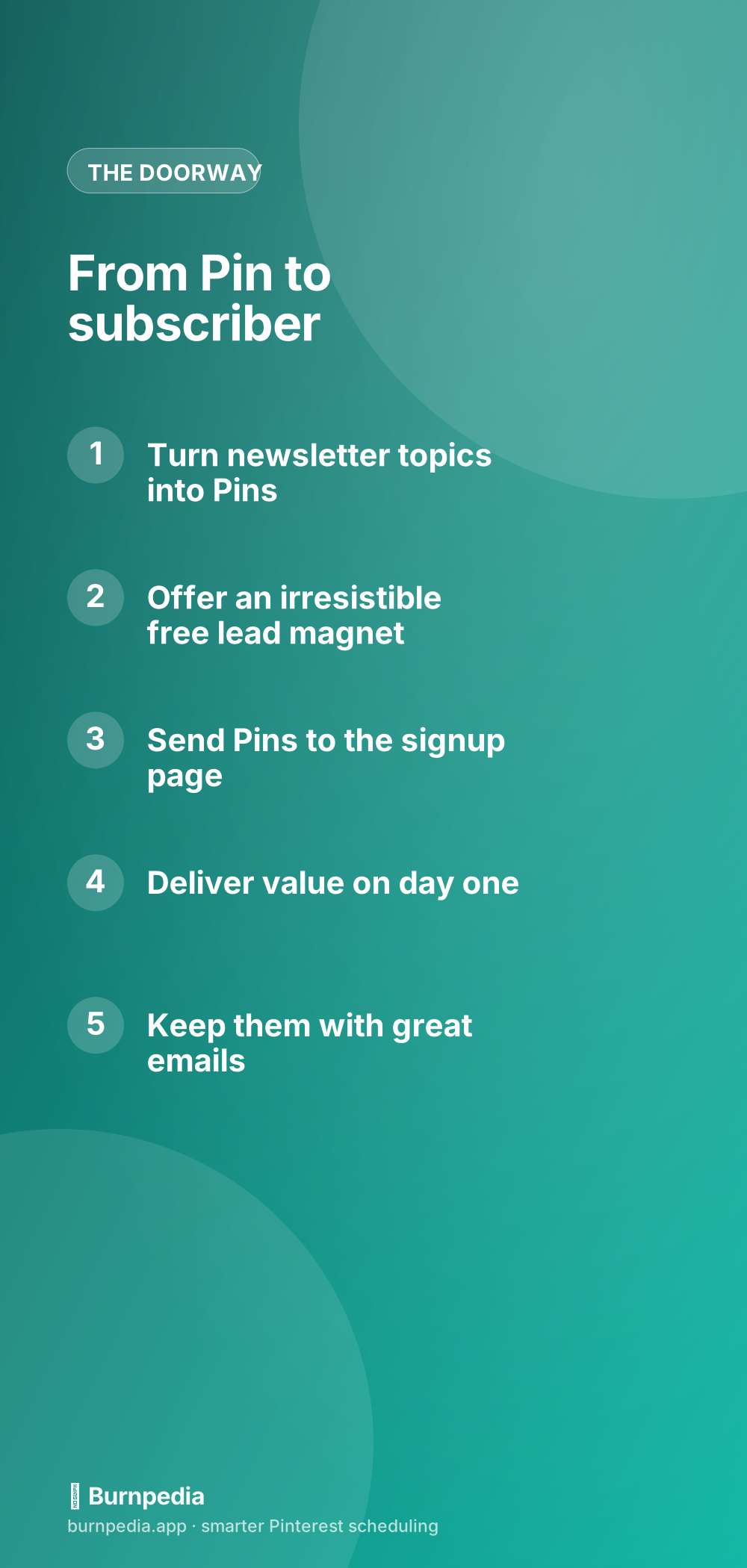
People guard their inboxes, and rightly so, so “sign up for my newsletter” is a weak ask on its own — it’s all future benefit and no immediate reward. The fix is a lead magnet: a specific, immediately useful free thing someone gets the moment they subscribe. A checklist, a template, a mini-guide, a swipe file, a free email course. The lead magnet is the actual doorway; the newsletter is what they stay for. Make the free thing genuinely valuable — good enough that people would happily pay for it — and the email address flows in easily.
This is the same engine behind growing your email list with Pinterest generally, and it’s worth internalizing: on Pinterest, you don’t sell the subscription, you offer the freebie. The subscription is just how they receive it. Design one irresistible lead magnet aimed at your ideal reader, and you’ve built the foundation of the whole machine.
Turn your newsletter into Pins
Your newsletter itself is a bottomless well of Pin ideas. Every issue you send is a piece of content you can turn into Pins — the main topic, a key tip, a memorable line, a “this week I learned” insight. Make Pins that tease the value of an issue and point either to a web version of it or, better, to your lead-magnet signup. You’re essentially advertising the quality of your thinking, and letting people opt in to get it regularly.
If you publish your newsletter on a platform with public web archives (many do), those archived issues work just like blog posts for Pinterest — searchable, linkable, pinnable. Everything in Pinterest for bloggers applies to you directly: each issue is a post, each post is Pin fuel. You may not think of yourself as a blogger, but for Pinterest’s purposes, you basically are one.
Design Pins that promise the newsletter’s vibe
Your Pins should reflect what makes your newsletter worth reading. If your newsletter is punchy and practical, your Pins should be bold and benefit-driven. If it’s thoughtful and cozy, your Pins can be warmer and more editorial. The Pin sets the expectation, and matching that expectation to what people actually get keeps your subscribers happy and your unsubscribes low. Use clear text overlays that name the value — “The 5-minute weekly reset,” “Marketing tips that don’t suck” — so people know exactly what world they’re opting into.
And make several Pins per topic, as always. Pinterest rewards fresh images, so one lead magnet or one great issue should spawn multiple Pin designs targeting slightly different keywords and moods. Each is another doorway to the same signup page. Volume and variety keep the top of your subscriber funnel full without you needing endless new material.
The signup page is where it’s won or lost
When someone clicks your Pin, they land on a page, and that page decides whether they subscribe. Keep it laser-focused: a clear headline about the lead magnet’s benefit, a short description, and one obvious signup field. No clutter, no competing links, no ten-paragraph life story before the form. The person arrived warm and curious from your Pin; your only job is to not talk them out of it. A clean, single-purpose landing page converts far better than sending Pinterest traffic to a busy homepage.
This deep-linking discipline is the same one that makes Pinterest traffic to a blog actually convert instead of bouncing. Match the Pin’s promise to the page, keep the page focused, and make the action obvious. Every bit of friction between the click and the signup costs you subscribers you already earned.
Deliver, then keep delivering
Getting the subscriber is the start, not the finish. Deliver the lead magnet instantly and make a great first impression — the first email sets the tone for the whole relationship. Then actually be worth staying subscribed to. Send genuinely valuable emails on a consistent rhythm, so people look forward to seeing you in their inbox rather than reaching for unsubscribe. A newsletter is a promise you keep every week; Pinterest just introduces you, and your emails have to earn the ongoing attention.
This is exactly why an owned audience is so powerful, and it pairs beautifully with other channels — a podcaster, for instance, can use Pinterest to grow both listeners and subscribers at once, as I cover in Pinterest for podcasters. Whatever you make, the newsletter is the durable core, and Pinterest is a wonderful way to keep feeding it new people.
Quality subscribers beat vanity numbers
A quick but important caution: not all subscribers are equal, and Pinterest can bring you a lot of them. Chase raw signup numbers with a generic freebie and you’ll fill your list with people who wanted the free thing but don’t actually care about your newsletter — they’ll never open your emails and they’ll quietly drag down your engagement. Far better to attract the right subscribers with a lead magnet tightly matched to what your newsletter is really about. A smaller list of genuinely interested readers is worth more than a huge list of freebie-grabbers, both for your open rates and for whatever you eventually offer them.
So design your Pins and your lead magnet to filter for fit, not just to maximize clicks. If your newsletter is about sustainable living, a lead magnet about sustainable swaps attracts the right people; a generic “win a gift card” attracts everyone and no one. Pinterest is happy to send you volume — your job is to make sure that volume is the right volume. Aim your doorway at your ideal reader, and the subscribers who walk through it will actually stick around.
Keep the machine running
A subscriber machine only works if it runs consistently, and consistency is hard when you’re also writing the actual newsletter every week. So batch and schedule your Pins. Each time you send an issue or refresh your lead magnet, create a handful of Pins and schedule them to roll out over the following weeks. Your top of funnel stays full, new subscribers keep arriving, and you get to focus your energy on writing something people love to read.
The audience you own is the audience that lasts, and a newsletter is how you own it. Pinterest is one of the most reliable ways to fill that list with people who genuinely want what you make — searchers and planners primed to say yes to a great free offer. Build an irresistible lead magnet, turn your newsletter into a steady stream of Pins, keep your signup page clean, and then be worth staying for. Do that, and Pinterest quietly becomes your subscriber machine. — Sadie
Written by Sadie Brooks
Hey — I’m Sadie. I grew up in a small town outside Columbus, Ohio, moved to Austin for a job I quit within a year, and somewhere in between I started a scrappy little food blog to keep myself sane.
These days I help creators, bloggers, and small U.S. business owners grow on Pinterest without turning it into a second full-time job. I write the Burnpedia blog because I genuinely love this stuff, and because I wish someone had explained it to me in plain English years ago. Pour a coffee, pull up a chair.
Try Burnpedia freeWant Pinterest to run itself?
Every tip on this blog gets easier when your Pins publish on schedule. Burnpedia batches, times, and posts them for you — start free, no credit card.
Try Burnpedia free