Pinterest for Food Bloggers: Turn Recipes Into a Traffic Machine
Recipes and Pinterest are a perfect match — people literally plan their meals here. Here’s how food bloggers turn each recipe into a steady stream of traffic that keeps flowing for years.
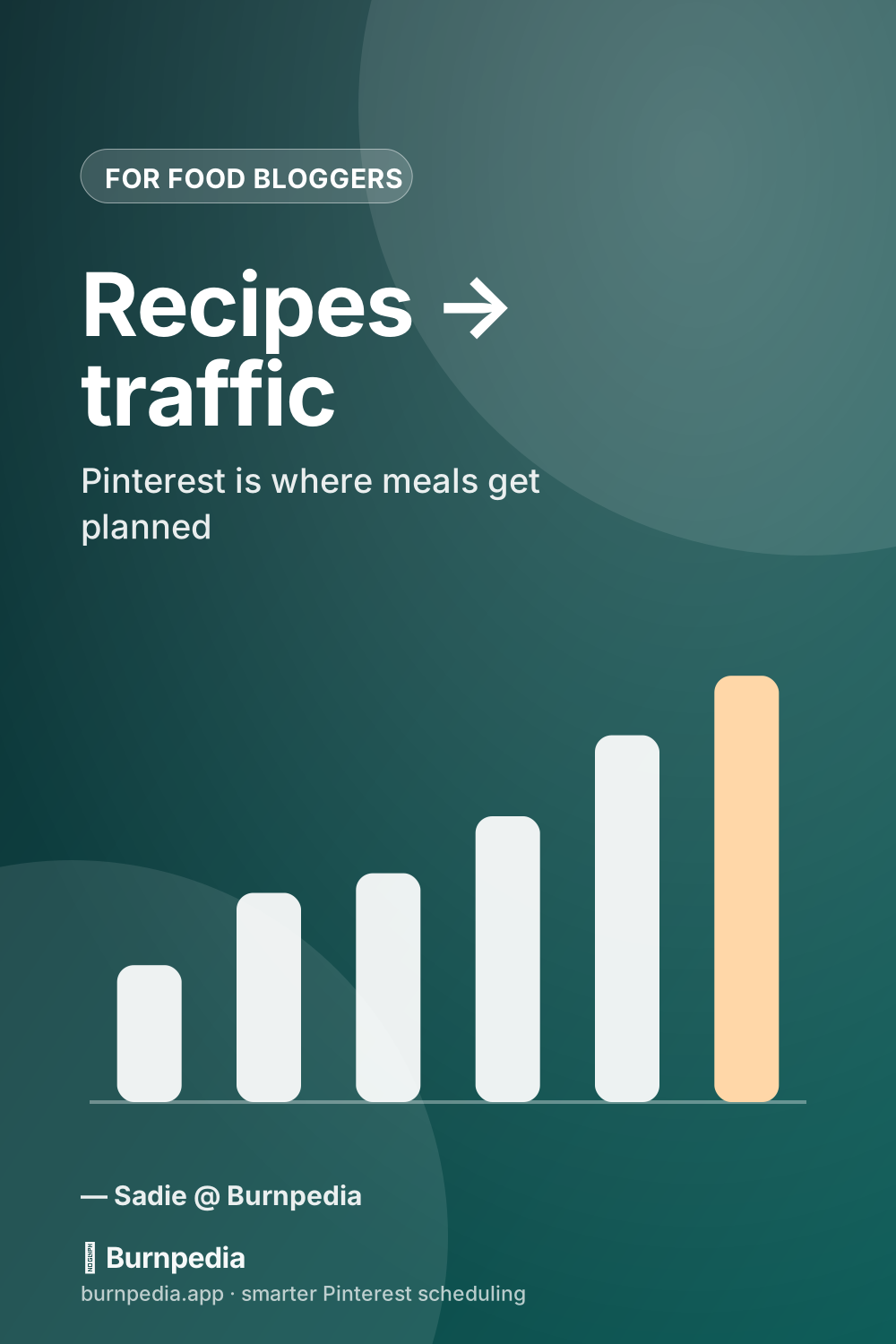
If you write a food blog and you’re not taking Pinterest seriously, I want to gently grab you by the shoulders. Food and Pinterest are a match made in heaven. People come to Pinterest specifically to plan what they’ll cook — weeknight dinners, holiday spreads, meal prep, birthday cakes, cozy soups when the weather turns. They arrive hungry and intentional, searching for exactly the kind of thing you publish. For food bloggers, Pinterest isn’t just another channel; it’s often the single biggest source of traffic, and it keeps working for years.
The general blogging playbook applies to you too — I cover it in Pinterest for bloggers — but recipes have their own quirks and their own enormous upside. This post is the food-specific version: how to turn each recipe into a small traffic machine that keeps sending hungry visitors your way long after you hit publish.
It starts with a pin-worthy photo
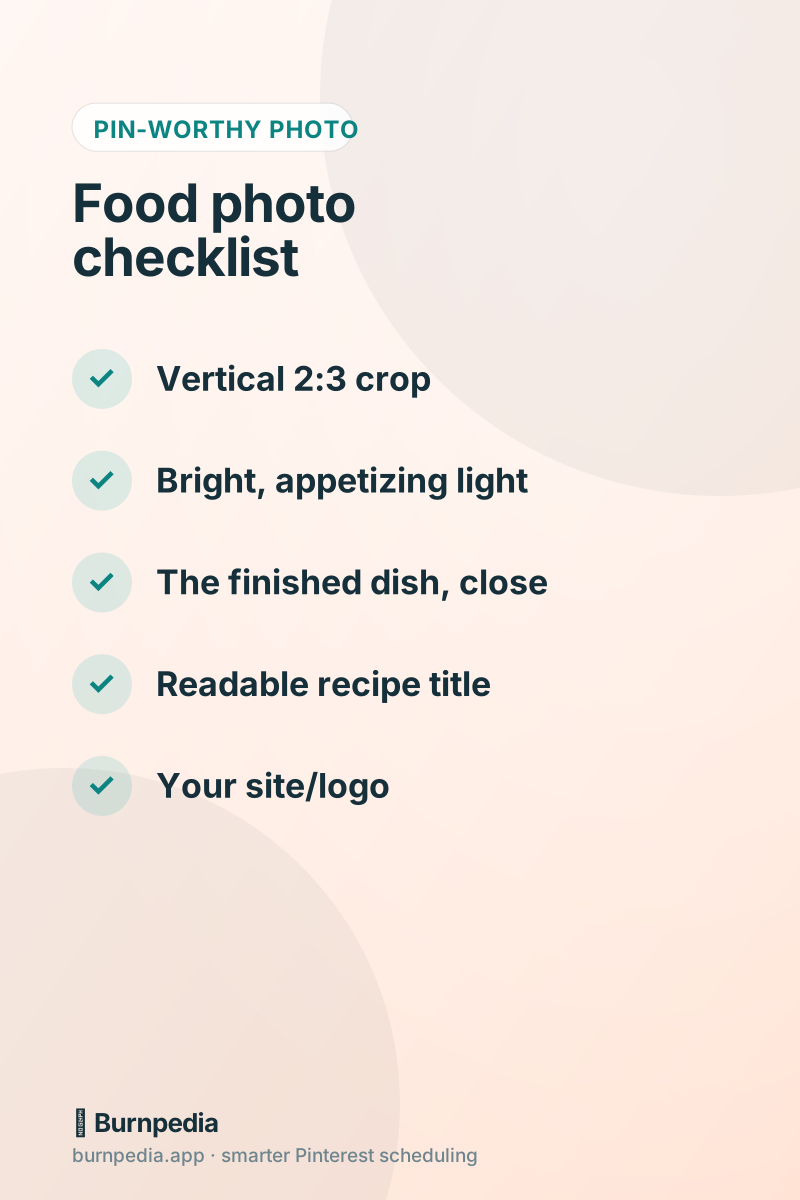
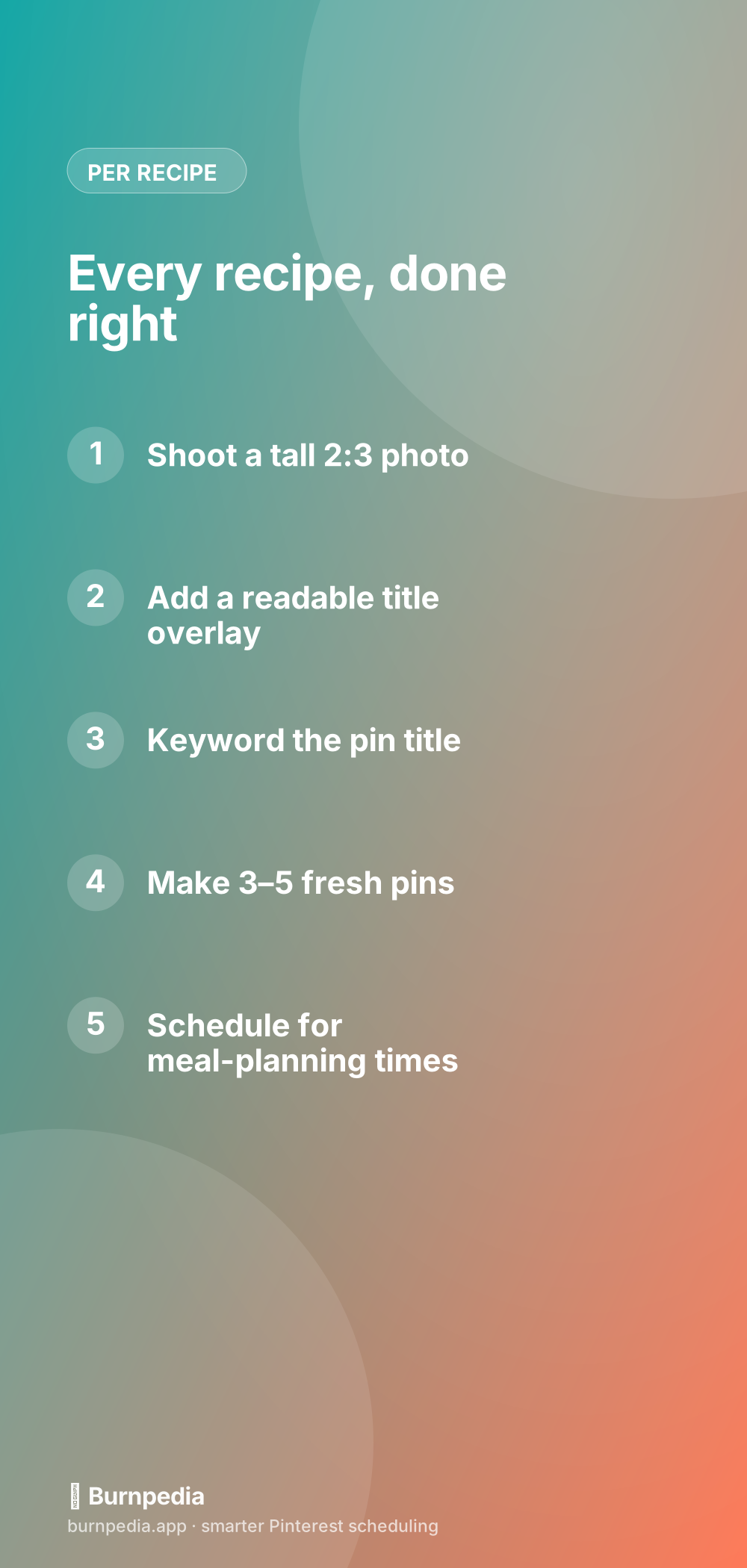
Food is visual, so your photo is doing most of the selling. The single most important change most food bloggers can make is shooting (or cropping) a tall, vertical image — 2:3 is the sweet spot on Pinterest. A gorgeous wide shot that looks great on your blog often gets lost as a tiny square in the feed. Shoot the finished dish up close, in bright appetizing light, styled simply. If the photo makes someone’s mouth water at thumbnail size, you’re winning before they even read a word.
Then add a clean text overlay with the recipe name in a readable font. People scan the feed fast, and a clear title (“Creamy Tuscan Chicken”) tells them instantly what they’re looking at and whether to click. Bake your site name or a small logo in too, so your brand rides along with every save. It doesn’t need to be fancy — clear beats fancy every time.
Keyword like a hungry searcher
Here’s where food bloggers leave traffic on the table: naming pins cutely instead of searchably. “Grandma’s Sunday Magic” means nothing to Pinterest; “Easy Slow Cooker Pot Roast” matches what thousands of people actually type. Use the exact language searchers use — the dish, the method, the occasion, the diet. Your title, description, and board names should all speak “hungry human,” not “clever chef.” If you need the words, the keyword-finding guide shows you how to pull them straight from Pinterest’s search bar.
Make several fresh pins per recipe
One recipe should never be one pin. Because Pinterest rewards fresh images, a single recipe can (and should) become several pins over time — a close-up of the finished dish, an overhead of the ingredients, a step-in-progress shot, a different headline emphasizing “30-minute” or “freezer-friendly.” Each is a fresh pin and a new chance to get discovered, all pointing to the same recipe. This is the highest-leverage habit in food blogging, and it’s exactly what fresh pins are all about. One well-shot recipe can quietly feed your Pinterest for weeks. If your recipes live on WordPress, our free WordPress plugins can build several Pins from one post’s own photographs, which is exactly the shape this habit wants.
Don’t forget your archive, either. That recipe you posted two years ago is just as useful to someone discovering it today, and Pinterest has a long memory. Making fresh pins for your older recipes is some of the easiest traffic you’ll ever find — the content already exists; you’re just giving it new front doors.
Schedule for when people plan meals
Timing matters more for food than almost any niche, because meal planning happens on a rhythm. Evenings, when people think about tomorrow’s dinner, and weekends, when they plan the week’s meals, tend to be strong. Seasonal peaks are enormous — people search holiday recipes weeks in advance, so your Thanksgiving pins should be live in early autumn, not the night before. Rather than trying to post at the perfect moment by hand, batch your pins and let a scheduler hit those windows for you. Our best-time-to-post guide digs into the timing.
This is where scheduling truly shines for food bloggers. You’re busy cooking, shooting, and writing — you shouldn’t also be babysitting a pin queue. Make a batch of fresh recipe pins in one sitting, line them up across the coming weeks at meal-planning times, and let the tool publish while you get back in the kitchen.
Organize boards like a recipe box
Give your recipes keyworded homes. Boards like “Easy Weeknight Dinners,” “Cozy Fall Soups,” “Healthy Meal Prep,” and “Holiday Desserts” both help searchers and teach Pinterest what you’re about. Pin each recipe to its most relevant board first. A well-organized, clearly themed account earns Pinterest’s trust and gets shown to the right hungry people. Think of your boards as a beautifully labeled recipe box that also happens to be great SEO.
Your simple weekly food-blogger routine
Let’s make it doable. Once a week, pick two or three recipes — a mix of new and archive — and make three fresh pins for each with different photos and headlines. That’s six to nine fresh, keyworded recipe pins from very little extra work. Load them into your scheduler, spaced across the week at good times, and get on with your life. Once a month, glance at your analytics, notice which recipes are pulling ahead, and make a few more pins for those proven winners.
Keep that rhythm for a season and something lovely happens: your recipes stop depending on the day you publish them. A well-pinned recipe can send hungry visitors to your site for months and years, quietly. That’s the food blogger’s dream — evergreen traffic to recipes you already made — and Pinterest is the most reliable way I know to build it.
Recipe-pin ideas that keep working
One recipe can quietly feed your Pinterest for months if you give it enough fresh pins and the right angles. The trick is to think about all the different reasons someone might search for your dish, and make a pin for each. A single soup recipe isn’t just “tomato soup” — it’s a cozy fall dinner, a 30-minute weeknight meal, a freezer-friendly batch, a vegetarian option, and a comfort-food classic. Each of those is a distinct fresh pin with its own keyword, all pointing to the same recipe. Here are angles that reliably pull hungry searchers.
- The time angle: “30-minute,” “make-ahead,” “5-ingredient,” “no-bake.”
- The occasion angle: “weeknight dinner,” “holiday side,” “meal-prep lunch,” “potluck.”
- The diet angle: “vegetarian,” “gluten-free,” “high-protein,” “dairy-free.”
- The season angle: “cozy fall,” “summer BBQ,” “Thanksgiving,” “back-to-school.”
- The format angle: overhead ingredients shot, finished close-up, a step in progress.
Mix and match those angles and a single recipe easily becomes six or eight fresh pins over time, each catching a different searcher who’d never have found the others. This is the whole reason food blogging and Pinterest fit so beautifully: your archive is deep, your dishes are photogenic, and every recipe has a dozen honest ways to be described. Keep making fresh, well-angled pins for your best recipes — new and old — and your traffic stops depending on today’s post and starts riding on the whole library you’ve built.
Food blogging and Pinterest belong together. Shoot pin-worthy vertical photos, keyword like a hungry searcher, make several fresh pins per recipe, schedule for when people plan meals, and keep your boards tidy. Do that consistently and each recipe becomes a small, delicious traffic engine that runs long after the dishes are done. Now go make something tasty — and pin it properly. — Sadie
Written by Sadie Brooks
Hey — I’m Sadie. I grew up in a small town outside Columbus, Ohio, moved to Austin for a job I quit within a year, and somewhere in between I started a scrappy little food blog to keep myself sane.
These days I help creators, bloggers, and small U.S. business owners grow on Pinterest without turning it into a second full-time job. I write the Burnpedia blog because I genuinely love this stuff, and because I wish someone had explained it to me in plain English years ago. Pour a coffee, pull up a chair.
Try Burnpedia freeWant Pinterest to run itself?
Every tip on this blog gets easier when your Pins publish on schedule. Burnpedia batches, times, and posts them for you — start free, no credit card.
Try Burnpedia free