How to Do Affiliate Marketing on Pinterest (Even Without a Blog)
Affiliate marketing on Pinterest is real, it’s allowed, and it’s not a get-rich-quick scheme. Here’s the honest version — what works, what gets you flagged, and how to actually earn.
Let’s talk about making actual money on Pinterest — specifically, affiliate marketing. I get asked about this constantly, usually in a hopeful whisper like it’s a secret loophole. So let me give you the honest version, the one that keeps you out of trouble and actually works over time.
Quick definition, in case you’re new: affiliate marketing means you recommend a product, someone buys it through your special link, and you earn a small commission at no extra cost to them. On Pinterest, you can do this — and yes, you can even do it without a blog. But there’s a right way and a fast-track-to-getting-flagged way, and I want you on the right one.
First, the reality check
Affiliate income on Pinterest is real, but it is not a get-rich-quick button, and anyone telling you otherwise is selling you a course. The people who make it work treat it like what it is: recommending things they genuinely believe in, to an audience that has learned to trust them. Trust is the entire business model. Burn it and you’ve got nothing.
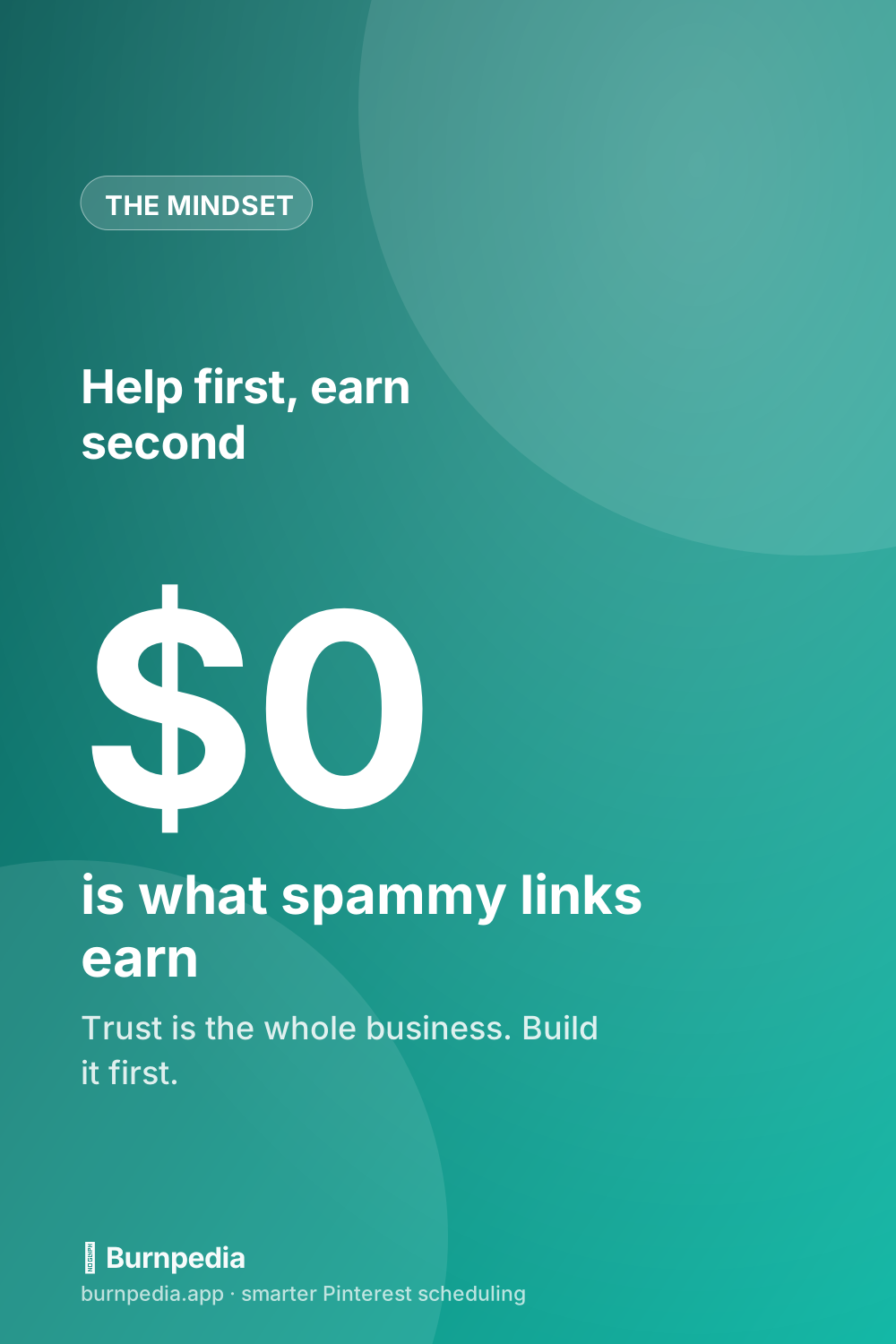
So the mindset is help first, earn second. Every Pin should be useful to the person seeing it, whether or not they buy. Get that backwards — spammy, salesy, link-stuffed Pins — and Pinterest’s system quietly stops showing your stuff. It’s very good at sniffing out low-quality links.
The rules that keep you out of trouble
Pinterest allows affiliate links, but you have to play it straight. Here are the non-negotiables:
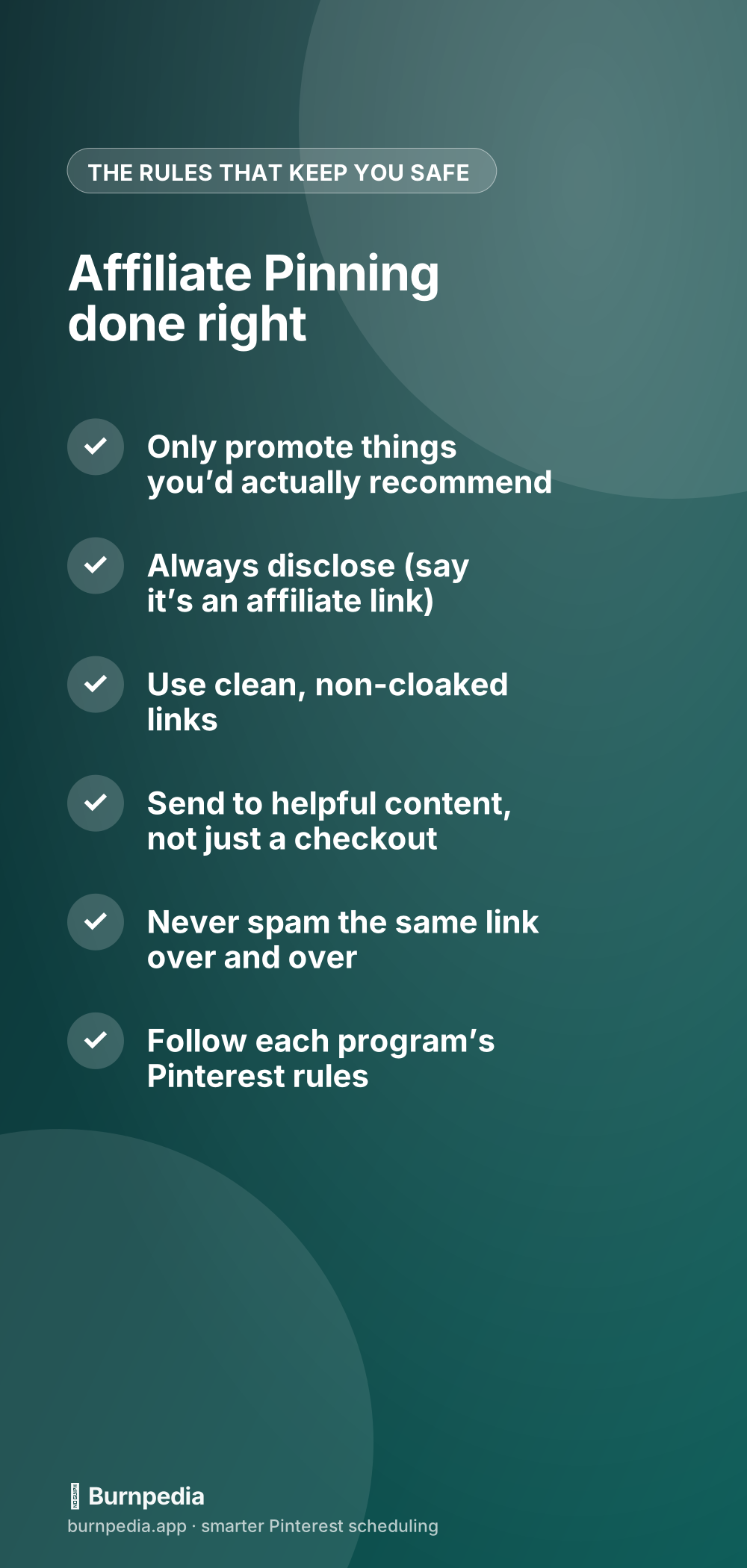
- Disclose it. Say clearly that it’s an affiliate link — a simple “(affiliate)” or “commission earned” in the description. It’s the law (FTC rules), and honestly, people respect it.
- Don’t cloak your links. Use clean, direct links. Sketchy redirects and link shorteners that hide the destination are a fast way to get flagged.
- Only promote things you’d actually recommend. Your reputation is the asset. Don’t rent it out to junk for a quick buck.
- Follow each program’s rules. Amazon’s affiliate program, for example, has specific rules about where links can go — read the fine print for whatever you join.
The “without a blog” way (and its ceiling)
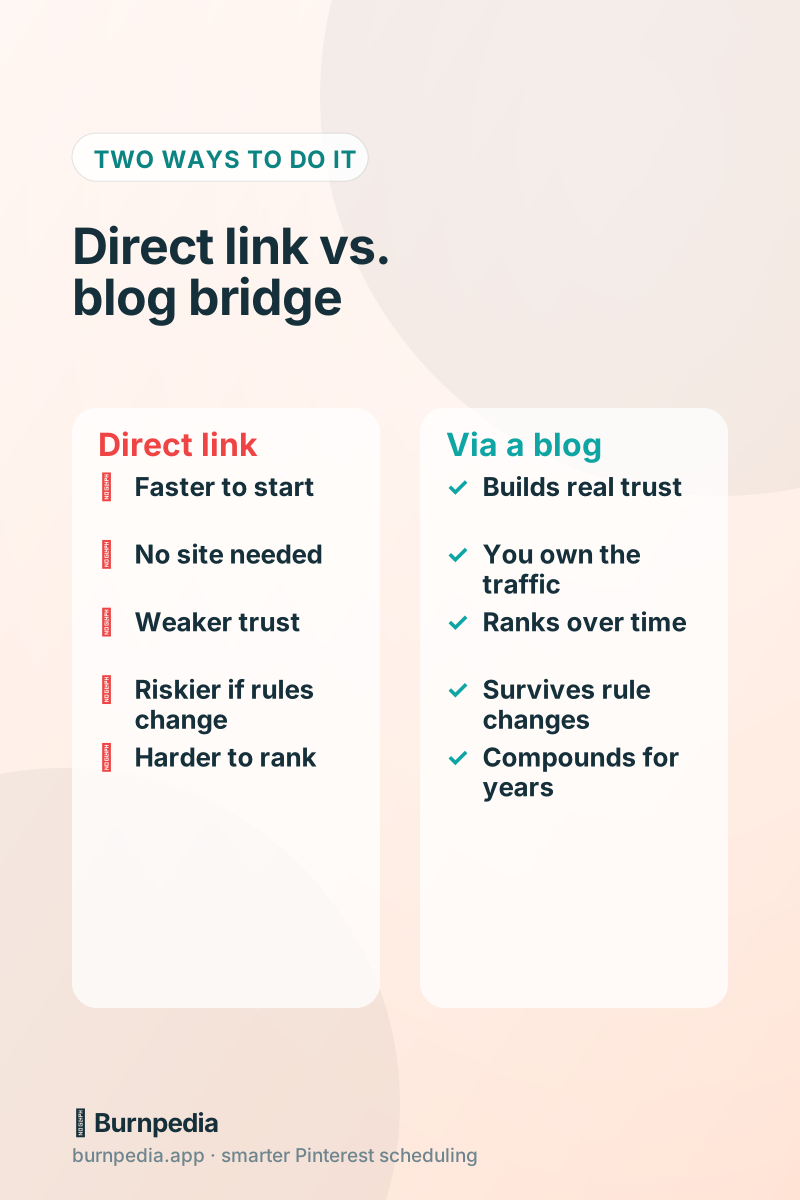
The simplest approach: make a helpful Pin — “5 Cozy Fall Candles Under $20” — and link it directly to the product (or a list) with your affiliate link. No website required. This genuinely works for getting started, and it’s the fastest path to your first commission.
But here’s the honest catch: direct-linking has a ceiling. You don’t own that traffic, trust is thinner when a Pin dumps someone straight onto a sales page, and if a program changes its rules, your whole setup can wobble. To really stand out, your Pins still need to earn the click — which comes back to solid pin design and getting found in Pinterest search.
Why a blog (even a tiny one) changes the game
I’m not going to pretend a blog isn’t better, because it is — a lot. When your Pin links to a helpful post (“The 8 Candles I Actually Burn Every Fall”) instead of straight to a store, three good things happen: people trust you more, you can recommend several products in one place, and you own that audience forever.
A blog turns a one-time commission into a page that ranks and earns for years. It’s the difference between renting and owning. If you’re blog-curious, start with how bloggers use Pinterest to drive real traffic — it pairs perfectly with affiliate income.
Pick a niche where people buy
Not every topic converts. Affiliate money follows intent — home decor, beauty, kitchen gear, tech, travel gear, planners, and gifts all do well because people are actively shopping for them. I put together a whole guide to the strongest lanes here: the best Pinterest niches for traffic and income. Choose one you actually care about, or you’ll burn out fast.
The bottom line
You can absolutely earn affiliate income on Pinterest, blog or no blog. Just do it like a person who wants a real, lasting little income stream, not a spammer chasing a quick hit: recommend things you love, disclose honestly, be genuinely helpful, and stay consistent.
Start where you are — even direct links today — but plant a blog when you can, because that’s where this quietly compounds. And whatever you do, keep showing up. If you want a smart way to keep that rhythm going, read how to schedule Pins the smart way next. Go make some money helping people. — Sadie
Written by Sadie Brooks
Hey — I’m Sadie. I grew up in a small town outside Columbus, Ohio, moved to Austin for a job I quit within a year, and somewhere in between I started a scrappy little food blog to keep myself sane.
These days I help creators, bloggers, and small U.S. business owners grow on Pinterest without turning it into a second full-time job. I write the Burnpedia blog because I genuinely love this stuff, and because I wish someone had explained it to me in plain English years ago. Pour a coffee, pull up a chair.
Try Burnpedia freeWant Pinterest to run itself?
Every tip on this blog gets easier when your Pins publish on schedule. Burnpedia batches, times, and posts them for you — start free, no credit card.
Try Burnpedia free